Source high corrosion resistance aluminum wardrobe profile for Architecture, Home Appliance, and Industry
Compare 24 listings for high corrosion resistance aluminum wardrobe profile designed for architecture, home appliance, and industry applications. Buyers can evaluate customization options, surface finishes, and alloy grades to find suitable suppliers.
Key considerations
Products List


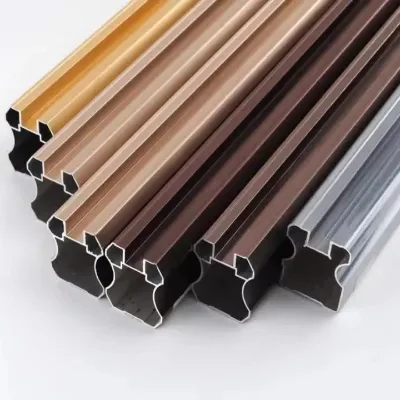
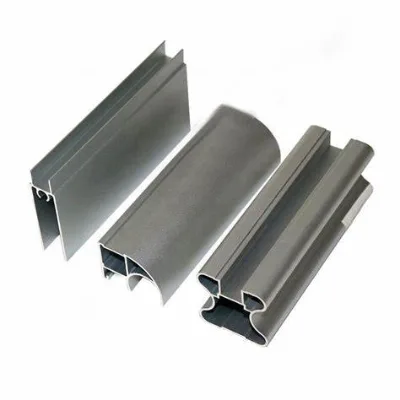
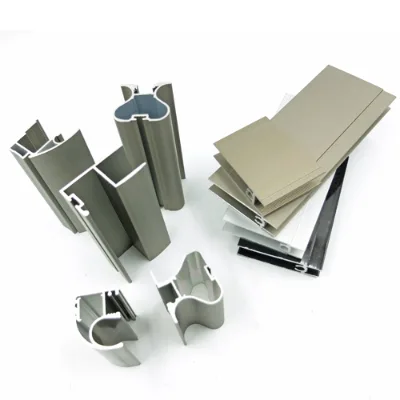
Comprehensive Sourcing Guide
Strategic Sourcing Guide for High Corrosion Resistance Aluminum Wardrobe Profiles
Sourcing high corrosion resistance aluminum wardrobe profiles requires a disciplined approach that balances material science, surface engineering, and rigorous supplier verification. In the global B2B market, the term "high corrosion resistance" is not merely a marketing descriptor but a technical requirement driven by environmental exposure, humidity levels, and the intended lifespan of the furniture. For procurement professionals, the challenge lies in navigating a fragmented supply chain where product attributes vary significantly between batches and manufacturers. This guide synthesizes available market data to provide a framework for evaluating aluminum profiles specifically designed for wardrobe applications, ensuring that the selected components meet durability standards without relying on unverified claims.
Material Composition and Alloy Selection
The foundation of corrosion resistance in aluminum profiles begins with the base alloy. The market data indicates that the 6000 Series is a prevalent choice for these applications, specifically grades such as 6063, 6061, 6005, and 6060. These alloys are favored for their excellent extrudability and inherent resistance to atmospheric corrosion. When sourcing, buyers must verify the specific alloy grade provided by the supplier, as the 6000 series offers a balance of strength and formability suitable for wardrobe structures. The data also notes that alloy grades can be customized, which implies that suppliers may offer variations based on specific project requirements.
It is critical to understand that the alloy composition alone does not guarantee high corrosion resistance; it is the starting point. The presence of specific alloying ingredients is often subject to certifications such as CE, ISO, RoHS, TUV, SONCAP, and CIQ. While these certifications suggest adherence to quality management and environmental standards, they do not automatically define the corrosion performance of the final product. Procurement teams should request mill test reports that explicitly detail the chemical composition of the 6063 or 6061 alloys to ensure they meet the minimum requirements for the intended environment. Furthermore, the temper designation, such as T5 or T6, is a vital specification. The T6 temper, in particular, is often associated with higher strength and stability, which can indirectly support long-term structural integrity in humid conditions.
Surface Finishing and Corrosion Mitigation
For wardrobe profiles, the surface finish is the primary defense against corrosion. The observed market data highlights several finishing processes, with Anodic Oxidation and Powder Spraying being the most prominent. Anodic oxidation creates a hard, non-conductive oxide layer that significantly enhances corrosion resistance and wear resistance. This process is particularly effective for architectural and high-end furniture applications where a durable, non-fading finish is required. The data also mentions "Wood Colour" finishes, which typically involve a combination of base coatings and texturing to mimic natural wood, requiring robust underlying corrosion protection to prevent peeling or blistering.
Powder spraying is another critical finishing method observed in the supply chain. This technique involves applying a dry powder that is cured under heat to form a hard, protective layer. The data indicates that powder coating is a standard option alongside anodizing. When evaluating suppliers, buyers must distinguish between the quality of the powder used and the thickness of the application. A high corrosion resistance profile should ideally feature a multi-layer system, potentially including a pretreatment stage to ensure adhesion and a topcoat that resists UV degradation and moisture ingress. The data also references "Chemical Polishing" and a general "Finished" state, but for high corrosion resistance, the specific choice between anodizing and powder coating must be dictated by the environmental conditions of the installation site.
Technical Specifications and Dimensional Tolerances
Precision in manufacturing is a key indicator of overall product quality. The observed data specifies a tolerance of ±0.1mm for profile dimensions, which is a tight range suitable for high-end furniture assembly. This level of precision ensures that the profiles fit together seamlessly, minimizing gaps where moisture could accumulate and cause corrosion. The profiles are available in various shapes, including the "T - Profile," which is common for wardrobe door frames and internal dividers. The "60 Series" is also noted as a specific profile type for window and door applications, which may be adapted for wardrobe systems requiring similar structural rigidity.
Customization is a dominant feature in this market segment. Buyers can expect "Customized" lengths, sizes based on drawings, and tailored alloy grades. The "Open Style" is frequently listed as "Sliding," which dictates the profile geometry required for track systems. When sourcing, it is essential to verify that the custom dimensions provided by the supplier align with the specific design drawings of the wardrobe system. The data also mentions "Pre-Drilled/Machined" hardware and "Preciously Cutting, Milling, Drilling, Punching" procedures. These value-added services reduce the need for secondary processing but require strict quality control to ensure that the drilling and cutting processes do not compromise the protective surface finish, which is the primary barrier against corrosion.
Compliance, Certification, and Standards Verification
Navigating the certification landscape is crucial for international procurement. The market data lists a wide array of certifications, including CE, ISO, RoHS, TUV, SONCAP, and CIQ. While these are listed as attributes of the alloying ingredients or general product properties, buyers must verify that the specific batch of profiles they are purchasing carries valid certification for the target export market. For instance, SONCAP is specific to Nigeria, while CE is relevant for the European Union. Relying on a supplier's general claim of certification without verifying the specific certificate for the product model can lead to compliance failures at customs.
In terms of industry standards, the data references DIN, AAMA, and AS/NZS, alongside a general "Customized" standard. These standards provide benchmarks for performance, such as wind load resistance, thermal performance, and surface durability. The "ISO 9001" standard is also mentioned regarding production standards, indicating a commitment to quality management systems. However, ISO 9001 certifies the management system, not the product itself. Buyers should look for product-specific test reports that align with DIN or AAMA standards to confirm corrosion resistance claims. The "Security Rating: B" and "Heavy Door: 45kgs Each Fan" attributes suggest that the profiles are designed to support significant loads, which is a separate but related engineering consideration to corrosion resistance.
Supplier Evaluation and Quality Assurance Protocols
Evaluating a supplier for high corrosion resistance profiles requires looking beyond the basic product listing. The data indicates that the "Honor" of the supplier includes being a "China Top 10 Assured Quality Supplier," and they claim "100% QC Testing." While these are positive indicators, they should be treated as observations rather than guaranteed outcomes for every order. Buyers must implement their own quality assurance protocols, including requesting third-party test results for salt spray resistance and adhesion tests for the surface finish.
The "Service: 24 Hours" claim suggests a responsive support structure, which is valuable for resolving quality issues quickly. However, the core of supplier evaluation should focus on their capability to maintain consistency in the "Anodic Oxidation" and "Powder Spraying" processes. A supplier with a history of "Wildly Application" in architecture, industry, and home appliances is likely to have the necessary experience, but this should be validated through references. The "Global" export market reach implies that the supplier is accustomed to international logistics and compliance, but buyers should still verify the specific packaging methods to ensure the profiles arrive without damage to the protective finish.
Cost Drivers and Procurement Considerations
The cost of high corrosion resistance aluminum profiles is influenced by several factors, including the alloy grade, the complexity of the surface finish, and the level of customization. The observed price range in the market is broad, spanning from $2.8 to $3745, reflecting the difference between simple standard profiles and complex, heavily customized systems. The Minimum Order Quantity (MOQ) ranges from 1 to 500 units, offering flexibility for both small-scale projects and large-volume manufacturing.
When analyzing costs, buyers should consider the total cost of ownership rather than just the unit price. A profile with a superior anodized finish may have a higher upfront cost but will offer significantly longer service life and lower maintenance costs compared to a standard powder-coated alternative. The "Plastic Bag, Carton Paper" and "Wooden Box" packaging options also impact logistics costs. For high-value profiles, the "Shrinking Film; Plastic & Kraft Paper; Wooden Pallet" combination offers superior protection during transit, reducing the risk of surface damage that could compromise corrosion resistance.
Long-Term Procurement and Application Suitability
The application of these profiles extends beyond simple storage; they are used in "Architecture, Industry, Home Appliance," and specifically for "Decoration" and "Wardrobe Door Profiles." The "Modern" style and "Function: Decoration" attributes highlight the aesthetic importance of the finish. In high-humidity environments, such as coastal regions or bathrooms, the choice of surface finish becomes the deciding factor in the product's longevity. The "Screen Netting Material: Nylon" mentioned in the data suggests that some profiles may be part of a larger system involving ventilation or insect protection, which requires careful consideration of material compatibility to prevent galvanic corrosion.
For long-term procurement, establishing a relationship with a supplier who offers "Custom Molded" end caps and "Full Ral Spectrum" color selection is advantageous. This flexibility allows for design consistency and the ability to replace damaged sections with identical profiles years down the line. The "Hscode: 76101000" is the standard classification for aluminum structures, which is useful for customs documentation. Ultimately, the success of a sourcing strategy for high corrosion resistance aluminum profiles depends on a clear definition of technical requirements, rigorous verification of surface treatments, and a partnership with a supplier capable of delivering consistent quality across large volumes. By focusing on the 6000 series alloys, verified anodizing or powder coating processes, and strict adherence to international standards, buyers can secure profiles that meet the demanding requirements of modern wardrobe manufacturing.
FAQs
Which alloy grades are used for high corrosion resistance profiles?
The profiles typically use 6000 Series alloys such as 6063, 6061, 6005, and 6060. These grades offer excellent extrudability and inherent atmospheric corrosion resistance suitable for wardrobe structures.
What surface finishing processes protect against corrosion?
Anodic oxidation and powder spraying are the primary finishing methods observed. Anodic oxidation creates a hard oxide layer, while powder spraying provides a durable protective coating against moisture and UV degradation.
Can the profile dimensions be customized for specific wardrobes?
Yes, custom lengths and sizes based on drawings are available. Buyers can also request tailored alloy grades and specific shapes like T-profiles to match their wardrobe design requirements.
Which certifications ensure quality for export markets?
Certifications include CE, ISO, RoHS, TUV, SONCAP, and CIQ for alloying ingredients. These indicate adherence to quality management and environmental standards required for international shipping and compliance.
What is the typical dimensional tolerance for these profiles?
The standard tolerance is ±0.1mm for profile dimensions. This tight range ensures seamless assembly and minimizes gaps where moisture could accumulate and cause corrosion.
How are the profiles packaged for global shipping?
Packaging options include plastic bags, carton paper, wooden boxes, and shrinking film on wooden pallets. These methods protect the surface finish during transit to prevent damage.